
To Buy Azithromycin No Insurance Visit Our Pharmacy ↓
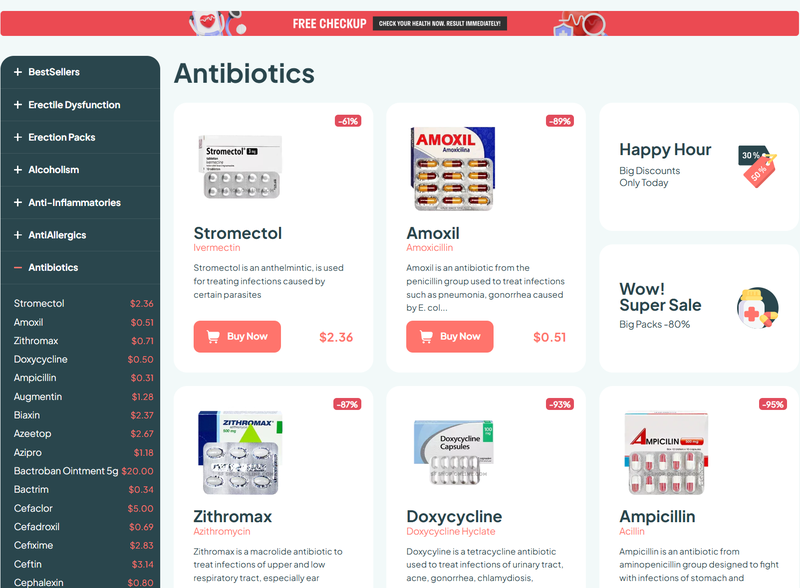
One popular alternative is Doxycycline, which is an antibiotic in the tetracycline family
It is essential to follow the prescribed dosage and complete the full course of azithromycin to ensure successful treatment and prevent antibiotic resistance. The dosage and duration of treatment may vary depending on the type and severity of the infection. Q2. Additionally, due to its longer half-life, it allows for shorter and less frequent dosing schedules, typically a five-day course, making the treatment of various bacterial infections less burdensome for both children and their parents. The versatility of Azithromycin in treating a wide range of sexually transmitted infections makes it a valuable tool in combating these infections and improving patient outcomes. These conditions are characterized by chronic inflammation, which leads to tissue damage and compromised lung function. The discovery of Azithromycin marked a significant milestone in medical history, unveiling a medical breakthrough that revolutionized the field of antibiotic medications.
Lesser-known Immune System Boost
Global coordination is imperative, as resistant strains do not respect borders. Its oral availability and prolonged half-life allow for shorter treatment courses, which aids in enhancing patient compliance and treatment success. The ongoing battle against azithromycin resistance involves multiple promising avenues. Moreover, its anti-inflammatory properties contribute to symptom reduction in infections like travellers' diarrhea, where inflammation plays a key role. Despite its efficacy, azithromycin is not a one-size-fits-all remedy and should not be seen as a blanket preventive measure for all travel-related infections. The decision to use azithromycin is also informed by its pharmacokinetic properties, allowing for a shorter and convenient dosage regimen, which often improves patient compliance. Azithromycin, a widely used antibiotic, has been proven effective in treating various infections ranging from traveler's diarrhea to COVID-19.
Early Hypotheses: Azithromycin for Treating Covid-19
Additionally, the drug is part of the strategic stockpile for emergencies, like bioterrorism events, due to its efficacy against potential threats such as inhalational anthrax. Azithromycin, part of the macrolide class of antibiotics, works by inhibiting bacterial protein synthesis. It primarily works by binding to the 50S ribosomal subunit of the bacterial ribosome. Despite its widespread use, allergies to azithromycin are relatively rare. In addition to its potential interactions with other drugs, azithromycin has been a topic of concern regarding its safety profile. Despite its effectiveness, there are potential side effects to be aware of when taking azithromycin, so it is essential to discuss any concerns with a healthcare provider. These infections encompass a range of conditions, including cellulitis, abscesses, and ulcers.
Dosage varies depending on the type of infection being treated and the patient's age and weight
Once a patient has a prescription for azithromycin, it is important to understand how to properly use the medication in treating various STDs. The Relationship Between Azithromycin and Heart Health. By further unraveling the mechanisms underlying azithromycin's anti-inflammatory effects, scientists may potentially develop novel strategies to combat inflammation and improve the lives of patients suffering from inflammatory diseases. The proliferation of myths surrounding azithromycin for Covid-19 has led many to falsely believe it’s a magic elixir for the virus. It is equally effective against both aerobic and anaerobic bacteria, making it suitable for treating skin infections caused by different types of microorganisms. Additionally, azithromycin may interact with certain medications, so it is essential to inform your healthcare provider about any other drugs you are taking. Additionally, it's important to finish the entire course of Azithromycin, even if you start feeling better sooner.
Convenience of Once-daily Dosing
When it comes to addressing the side effects of Azithromycin, it's important to note that like any medication, this antibiotic may cause certain adverse reactions in some individuals. This knowledge not only contributes to the development of more effective antimicrobial strategies but also sheds light on the potential of utilizing azithromycin as a therapeutic option for non-infectious diseases characterized by excessive inflammation. It is essential for healthcare professionals to carefully consider the interactions and potential side effects of combining azithromycin with other medications to ensure optimal patient outcomes. This immunomodulatory action of azithromycin contributes to its overall antibacterial efficacy and highlights its multifaceted mechanism of action. Azithromycin belongs to the macrolide class of antibiotics and works by inhibiting bacterial protein synthesis, ultimately killing or stopping the growth of bacteria. Another myth is that herbal supplements or home remedies are always safe to take alongside azithromycin or other antibiotics. This article will provide an overview of the safety of azithromycin use, including its benefits and possible risks.
Understanding Azithromycin: What You Need to Know
Owners should closely follow veterinarians' instructions to ensure the correct dosage. However, numerous studies have shown that this antibiotic does not significantly increase the risk of cardiovascular events. Secondly, the potential side effects of azithromycin, such as heart problems, liver damage, and gastrointestinal issues, have also generated concerns among medical experts. One study conducted by researchers at a prominent medical institution examined the use of azithromycin in a sample of patients with acute otitis media. Azithromycin has been found to be effective in treating a variety of STIs, including chlamydia and gonorrhea, which can often be asymptomatic. This has led to the successful management of diseases like trachoma and cholera in resource-limited settings, helping to reduce morbidity and mortality rates.Overall, Azithromycin's widespread use and effectiveness have truly transformed global health by providing a reliable and accessible treatment option for various diseases. One of the key mechanisms through which azithromycin exerts its effect is by inhibiting bacterial protein synthesis, thereby preventing the growth and spread of the infecting pathogens.
Understanding Azithromycin: What Is It?
To combat this issue, alternative solutions such as probiotics, phage therapy, and new antibiotics are being explored. This process is essential as it directly targets and disrupts the bacterial ribosome's function, which is critical for their survival. For example, people who have allergies or have shown a reaction to Azithromycin or other antibiotics in the past should strictly avoid it. Azithromycin should not be stopped or changed without consulting a doctor, even if symptoms improve. The question of how azithromycin manages to specifically target and disrupt the growth of bacteria while leaving human cells unharmed remains an enigma. Azithromycin Dosage and Side Effects: Azithromycin is an oral antibiotic that is usually taken as a single dose. Public health campaigns can further reinforce understanding and bring attention to hygiene practices that prevent infection in the first place, thus decreasing the overall need for antibiotic use.
This medication is often used to cure respiratory tract infections, sexually transmitted diseases, and skin infections, among others
Unlike other antibiotics that need to be taken for a longer duration, azithromycin has a half-life of 68 hours, which means it stays in the body for an extended period. Given the concerns about Azithromycin's potential cardiovascular risks, it is important for patients and medical professionals to understand the side effects of the drug. Additionally, azithromycin has the advantage of being a single-dose treatment, making it convenient for patients and promoting better adherence to treatment regimens. These conditions involve widespread skin damage and can also affect internal organs. However, through extensive research and investigation, the mystery surrounding this drug has gradually unraveled. Azithromycin is known for its convenient dosing schedule, often requiring a shorter course of treatment compared to other antibiotics. It is considered a potent and effective medication in treating multiple bacterial infections, and it is often preferred over other antibiotics because it requires shorter treatment durations.
Impact of Resistant Infections on Public Health
Azithromycin, a powerful antibiotic, has proven to be an effective treatment option for various sexually transmitted infections (STIs). Apart from being an effective and convenient treatment, azithromycin also has minimal side effects, which further adds to its appeal. That being said, it is generally deemed safe for use by everyone, provided that the correct precautions and recommendations are followed. Gut Health and Its ImportanceMaintaining a healthy gut is crucial for overall well-being, as it is responsible for various functions such as digestion, nutrient absorption, immune system regulation, and even mental health. Symptoms of an allergic reaction may include rash, difficulty breathing, and swelling of the face or tongue. Other potential side effects include liver damage, allergic reactions, and changes in heart rhythm, particularly in high doses or when combined with other medications. One common misconception is that azithromycin is a magic bullet against Covid-19.
Understanding Azithromycin: a Broad-spectrum Antibiotic
While its adverse effects are minimal, it's crucial to pay attention to how the body responds to the drug. This broad spectrum activity is due to azithromycin's unique mechanism of action, which involves inhibiting protein synthesis in bacteria. Adhering to proper antibiotic use guidelines not only helps in curing the current infection but also plays a vital role in combating the growing issue of antibiotic resistance. It's essential to monitor the child's behavior as well — alterations in mood or energy levels could signal a response to the medication. Overall, understanding the mechanisms of action associated with Azithromycin and its role in antibiotic therapy is essential for optimizing its use and treating bacterial infections effectively. This broad spectrum of activity means that azithromycin can effectively combat various types of bacteria, including those commonly associated with respiratory infections, sexually transmitted infections, and skin infections.By targeting a wide range of bacteria, azithromycin offers a multipurpose treatment option that can provide relief for different types of infections. Unlike some antibiotics that target only a limited array of bacteria, azithromycin's reach extends to atypical pathogens, including those responsible for causing community-acquired pneumonia and bronchitis.
Buy Generic Furosemide Over The CounterBuy Pepcid Without InsuranceBuy Wegovy No Insurance